
Beyond the AI Extraction
Generative art has gained massive visibility due to The spread of AI image generators and digital asset networks. However, conflating generative art exclusively with machine learning obscures the structural reality of the medium.
Institutional definitions, such as those from the V&A and Tate, classify generative art as any practice where the artist constructs a predetermined system—often incorporating elements of chance or procedural rules—to execute the artwork.
In generative architecture, the artist does not compose the final image directly. Instead, the creator engineers a system, logic, process, or set of instructions. This mechanism can utilize code, robotics, data inputs, or analog rule-sets to yield the final artifact.
Defining Generative Systems
Generative art operates on procedural logic. The creator does not manually draft the final artifact; they engineer the operational constraints. That process may produce a single result, or infinite iterations. The system parameters can be rigid or volatile, relying on geometry, noise functions, simulation, or computational rendering.
Computers excel at instruction execution and iterative variation, cementing generative practices within digital culture. However, procedural art predates modern software. MIT’s analysis of Sol LeWitt highlights how instruction-based analog art generates new iterations upon each execution, confirming that generative logic is independent of hardware.
[ AUTHORSHIP_SPECTRUM_SIMULATOR ]
Evaluate human control versus algorithmic autonomy across creative paradigms.
> SYSTEM_LOG: "Artist architects the procedural rules; the computational system iterates the variables."
The Distinction Between Generative AI and Algorithmic Art
AI art represents a specific subset of generative art. Generative art encompasses any system-based procedure (including mathematical routing or cellular automata), whereas AI art relies strictly on neural networks and latent diffusion models.
Executing a recursive p5.js script to render shifting geometries constitutes generative art. Training a diffusion model to output data-driven visual environments is also generative art, but classified strictly as AI-driven generation.
The Shift to System Architecture
Computational art fundamentally alters the creator's operational mode. The artist transitions from executing a fixed image to engineering a dynamic logic layer. Casey Reas identifies this as a mechanism for reconceptualizing image generation and signification.
This architectural shift introduces emergence and variable iteration. The artist defines the constraints and the randomization parameters; the machine manages the output volume. The result is a living procedure rather than a frozen artifact.
Procedural Lineage
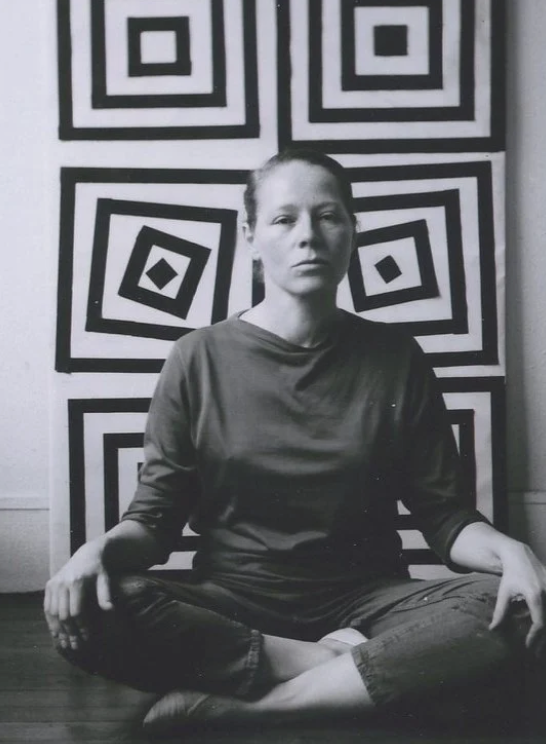
Vera Molnár
A pioneer of algorithmic art, Molnár utilized the phrase machine imaginaire to describe her rule-based visual languages, initiating computational aesthetics in the 1960s.
Her integration of mainframe processing to produce formal geometric permutations confirms that generative practices predate modern neural networks by several decades.
Sol LeWitt
LeWitt constructed instruction-based frameworks. His wall drawings function as algorithms meant for human execution, proving that generative logic relies on systemic constraints, not exclusively on processors.
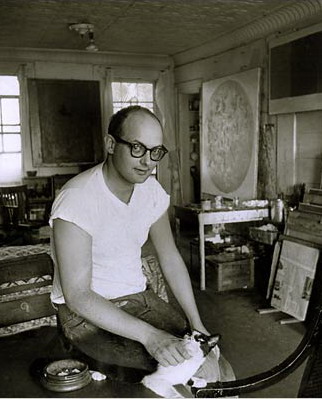

Casey Reas
Co-creator of Processing, Reas positioned software compilation as a direct artistic medium. His frameworks allow source code to render evolving visual ecosystems.
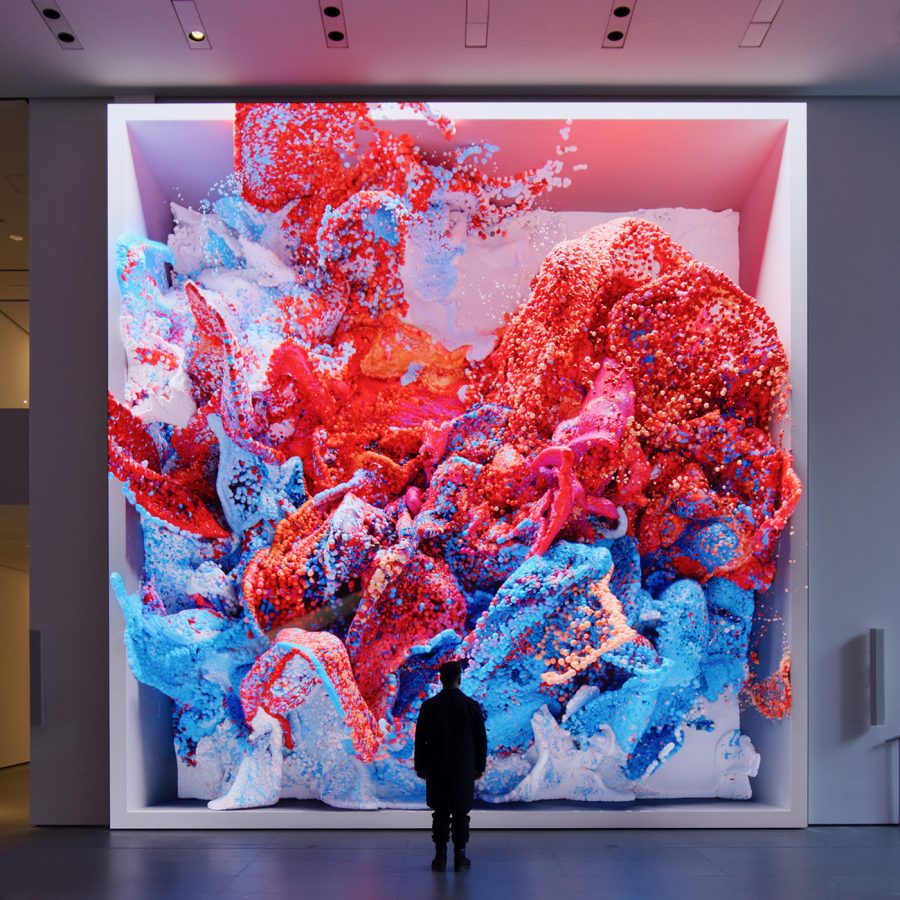
Refik Anadol
Anadol integrates data scraping with architectural projection. He deploys generative AI to map raw datasets into immersive, fluid-dynamic physical environments.

Generative Explorations [ CURATED GALLERY ]
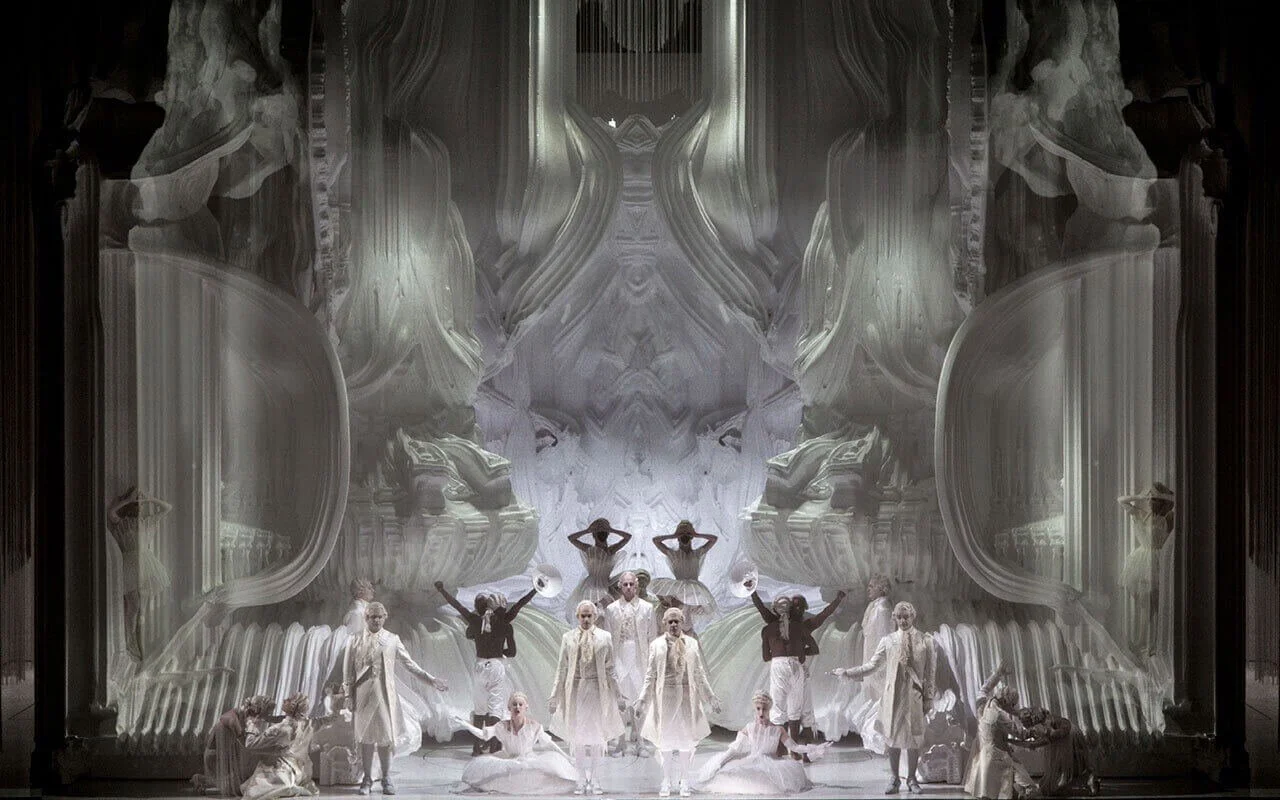
Execution Environments
Generative systems compile across varying hardware. Implementations utilize code environments (Processing, p5.js, WebGL), data-fed installations, mechanical plotter integrations, or neural networks. The unifying factor remains the procedural logic, not the execution medium.
Addressing Fallacies
A frequent misinterpretation is that algorithmic processing eradicates authorship. Generative execution redistributes authorship from manual rendering to rule design; the artist dictates boundary logic and variance parameters.
Another assumption frames generative outputs strictly as abstract geometry. While procedurally efficient, algorithms can render organic, figurative, or strictly data-bound structures.
Conclusion: The Procedural Future
Generative art is an established methodology centered on systems, instructions, and computational variables. The operational environment can process abstract geometry, algorithmic painting, or immersive network data.
This structural approach expands artistic creation by shifting focus from the final, immutable artifact to the underlying computational architecture producing it.
>> Bibliographic_References.log
-
[01]
Shiffman, D. (2012). The Nature of Code: Simulating Natural Systems with Processing.
-
[02]
Reas, C., & McWilliams, C. (2010). Form+Code in Design, Art, and Architecture.
-
[03]
Boden, M. A., & Edmonds, E. A. (2009). What is Generative Art? Digital Creativity, 20(1-2).